edHelper.com
Noise Pollution Near Home


Noise Pollution Near Home
Reading Level
     edHelper's suggested reading level:   grades 4 to 6
     Flesch-Kincaid grade level:   7.72

Vocabulary
     challenging words:    behavioral, deprivation, psychological, rates, unwanted, commercial, authority, definitely, volume, worldwide, directly, negative, affected, cases, stress, aircraft
     content words:    New York, To Stephen


Print Noise Pollution Near Home
     Print Noise Pollution Near Home  (font options, pick words for additional puzzles, and more)


Quickly Print - PDF format
     Quickly Print: PDF (2 columns per page)

     Quickly Print: PDF (full page)


Quickly Print - HTML format
     Quickly Print: HTML


Proofreading Activity
     Print a proofreading activity


Feedback on Noise Pollution Near Home
     Leave your feedback on Noise Pollution Near Home  (use this link if you found an error in the story)


Noise Pollution Near Home
By Jennifer Kenny
  

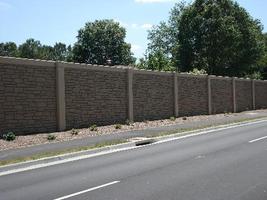
1     Stephen's family lived in a very old home that had been in the family for generations. The area was once considered a rural section of New York. Nowadays, it had really built up. Residents were commuting farther and farther to get to work. As a result, Stephen's home was now affected by the widening of a major thoroughfare. To Stephen, the most direct result was noise pollution.
 
2     Noise is a difficult word to define. Noise pollution is probably an even more difficult term. Individual sounds can be measured in decibels. Unwanted sound is noise pollution. Noise can be subjective. Loud noise at a party can be enjoyable to people at the party. Loud noise may not be so enjoyable to the new mother next door trying to get her baby to take a nap. The roar of engines at a raceway can be thrilling to onlookers. The roar of engines on a road in a family's backyard can be quite annoying.
 
3     Sounds less than 80 decibels are considered safe to the human ear. Normal talking between friends is typically measured between 40 to 60 decibels. In the extreme, a rocket taking off makes sounds around 200 decibels. Thunder rates at 120 decibels. Heavy traffic sounds measure around 90 decibels. Aircraft engines measure between 100 and 200 decibels.
 
4     To families like Stephen's, noise pollution can make life feel unpleasant. Noise causes stress. Stress can cause illness. Noise pollution can cause sleeplessness and fright. Depending on the actual volume, location, control, and duration, noise can do different things to different people.
 
5     What can constant exposure to noise do to people? If a person hears noise greater than 80 decibels constantly, temporary hearing loss results and can lead to permanent disability. Permanent hearing loss can occur over a long period of time so it's difficult to pinpoint exactly how long and how loud the noise needs to be to cause a problem.

Paragraphs 6 to 12:
For the complete story with questions: click here for printable


Extended Activities:

1.  Research one way to counter noise pollution.

2.  Research ways to prevent the detrimental effects of noise pollution.


Copyright © 2009 edHelper