edHelper.com
What are They Doing to My Food?


What are They Doing to My Food?
Reading Level
     edHelper's suggested reading level:   grades 3 to 5
     Flesch-Kincaid grade level:   7.32

Vocabulary
     challenging words:    thoughts, environment, traditional, interesting, soybean, however, possible, supermarket, farm, longer, fail, health, jobs, nearby, case, result
     content words:    To Thomas, Roundup Ready, His Uncle John, His Uncle Phil, Uncle Phil, Uncle John


Print What are They Doing to My Food?
     Print What are They Doing to My Food?  (font options, pick words for additional puzzles, and more)


Quickly Print - PDF format
     Quickly Print: PDF (2 columns per page)

     Quickly Print: PDF (full page)


Quickly Print - HTML format
     Quickly Print: HTML


Proofreading Activity
     Print a proofreading activity


Feedback on What are They Doing to My Food?
     Leave your feedback on What are They Doing to My Food?  (use this link if you found an error in the story)


What are They Doing to My Food?
By Jennifer Kenny
  

1     Thomas grew up on a traditional small farm. From the day he was born, he was surrounded by land filled with crops. His father and his uncles shared the land and worked it. To Thomas, farming was hard work but basic in nature. The soil needed to be as fertile as possible, the crops needed to be nurtured, and then the final results were sold for money.
 
2     As Thomas aged, he learned more about the science behind farming. For about 10,000 years, farmers had kept the seeds from the best crops. Then those seeds were planted. The hope was that the best crops would come again from those seeds. He also understood that there was a complex process called cross-pollinating that his dad and uncles used. If they liked something particular about different crops, they would do their best to combine those varieties to come up with a better crop. Thomas basically understood the thoughts behind this, too. Most recently, though, scientists came up with genetically engineered food. By changing the genes of plants, the hope is that better plants will be the result. (Genes are part of DNA which have particular features or jobs.)
 
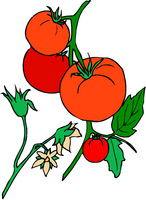
3     Thomas understood by listening to his uncle that genetically engineered food is already out there. There are tomatoes that will ripen more slowly so they will stay fresher when they reach the supermarket. There are Roundup Ready crops. They are crops that won't be bothered by Roundup, a very strong weed killer. This allows the weeds nearby to be controlled, but the crop of corn, soybean, canola, or cotton is not affected. There was also the case in which the gene of the flounder, a fish that can live in the cold, was put into tomatoes so they could live in the cold longer. This would allow a longer growing season for the tomato. Thomas thought these were interesting developments.

Paragraphs 4 to 5:
For the complete story with questions: click here for printable


Extended Activities:

1.  Research one genetically engineered food. Write one page about it.

2.  Create a chart of pros and cons surrounding genetically engineered food.


Copyright © 2009 edHelper