edHelper.com
Immigration


United States Immigration Laws 1960-2001


United States Immigration Laws 1960-2001
Reading Level
     edHelper's suggested reading level:   grades 7 to 9
     Flesch-Kincaid grade level:   11.58

Vocabulary
     challenging words:    economically, investors, amnesty, legacy, diversity, status, influential, federal, authority, spouse, racial, currently, political, admission, benefits, organization
     content words:    President Lyndon B., Nationality Act, Latin America, Refugee Act, Immigration Reform, Control Act, Immigration Act, McCarran-Walter Act, Border Patrol, President Bill Clinton


Print United States Immigration Laws 1960-2001
edHelper.com subscriber options:
     Print United States Immigration Laws 1960-2001  (font options, pick words for additional puzzles, and more)

     Quickly print reading comprehension

     Print a proofreading activity


Feedback on United States Immigration Laws 1960-2001
     Leave your feedback on United States Immigration Laws 1960-2001  (use this link if you found an error in the story)


United States Immigration Laws 1960-2001
By Sheri Skelton
  

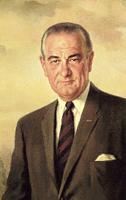
1     When President Lyndon B. Johnson was in office, immigration laws went through a major reform. In 1965 the Immigration and Nationality Act ended the system of quotas based on nationality. Limits for immigrants were set at 170,000 persons from the Eastern hemisphere and 120,000 persons from the Western hemisphere. Categories of preference were established based on family ties, skills, artistic excellence, and refugee status.
 
2     Ending the nationality quota system allowed Asians to enter the country on a more equal basis with people from other parts of the world. Placing limits on persons from the Western hemisphere, however, directly affected huge numbers of immigrants coming from Mexico and Latin America. Limiting the number of legal immigrants from those areas resulted in an increase in illegal immigrants.
 
3     In 1978 the immigration ceiling became a blanket limit of 290,000 people from both hemispheres. This ceiling was lowered to 270,000 in 1980.
 
4     Increasing political and racial turmoil worldwide in the twentieth century has created a number of refugees, who have a special status as immigrants to the U.S. The 1980 Refugee Act defined refugees as persons who must flee a country because they are being persecuted due to "race, religion, nationality, or political opinion." Each year the President and Congress set a limit on the number of refugees allowed to enter the country. The President also has the authority to permit refugees to enter in emergency situations.

Paragraphs 5 to 14:
For the complete story with questions: click here for printable


Copyright © 2008 edHelper