edHelper.com
Pets Theme Unit
Don't Litter: Fix Your Pets!


Don't Litter: Fix Your Pets!
Reading Level
     edHelper's suggested reading level:   grades 4 to 6
     Flesch-Kincaid grade level:   6.57

Vocabulary
     challenging words:    incorrect, unwanted, clinic, personality, miserable, expectation, shots, phrase, actually, anesthesia, lower, traveled, attack, male, affects, cancer
     content words:    Humane Society, Rural Area Veterinary Services, Rosebud Native American Reservation, South Dakota, Cathy Chapman


Print Don't Litter: Fix Your Pets!
     Print Don't Litter: Fix Your Pets!  (font options, pick words for additional puzzles, and more)


Quickly Print - PDF format
     Quickly Print: PDF (2 columns per page)

     Quickly Print: PDF (full page)


Quickly Print - HTML format
     Quickly Print: HTML


Proofreading Activity
     Print a proofreading activity


Feedback on Don't Litter: Fix Your Pets!
     Leave your feedback on Don't Litter: Fix Your Pets!  (use this link if you found an error in the story)


Don't Litter: Fix Your Pets!
By Colleen Messina
  

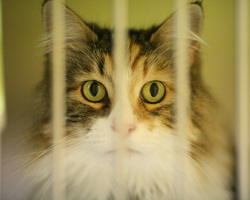
1     You may have heard the expression, "It's raining cats and dogs!" The image of puppies and kitties coming down from the skies in fluffy torrents sounds fun. This phrase means it's raining very hard! Even if this image of lots of puppies and kittens makes you smile, the truth is that too many babies can be a problem if they can't find homes.
 
2     Lots of unwanted cats and dogs end up in animal shelters. If they are not adopted, the shelters can't keep them. According to the Humane Society, millions of cats and dogs are euthanized every year. This means that they are put to sleep-forever. Spaying and neutering means that pets do not have unwanted babies. This in turn reduces the number of homeless cats and dogs that end up in animal shelters.
 
3     Veterinarians perform these operations. The procedure is safe. A female animal is spayed. A male animal is neutered. The dog or cat is under anesthesia during the operation so the animal isn't aware of what's happening. The animal might have to stay at the veterinarian's office for a few hours or days. A dog or cat can have this operation when they are as young as eight weeks old. The operations are simple and safe.

Paragraphs 4 to 10:
For the complete story with questions: click here for printable


Copyright © 2009 edHelper