edHelper.com
The Civil War and Inflation


The Civil War and Inflation
Reading Level
     edHelper's suggested reading level:   grades 5 to 8
     Flesch-Kincaid grade level:   5.91

Vocabulary
     challenging words:    economy, inflation, finance, ranks, government, economic, confederate, militia, sympathy, rate, jobs, cash, decrease, circulation, cause, wealth
     content words:    Civil War, United States, In May, By January, In April, Richmond Bread Riot, New York, President Jefferson Davis


Print The Civil War and Inflation
     Print The Civil War and Inflation  (font options, pick words for additional puzzles, and more)


Quickly Print - PDF format
     Quickly Print: PDF (2 columns per page)

     Quickly Print: PDF (full page)


Quickly Print - HTML format
     Quickly Print: HTML


Proofreading Activity
     Print a proofreading activity


Feedback on The Civil War and Inflation
     Leave your feedback on The Civil War and Inflation  (use this link if you found an error in the story)


The Civil War and Inflation
By Cindy Grigg
  

1     War affects a country's economy. Government spending for weapons and supplies causes a rise in demand for other goods. Workers who leave jobs and go off to war cause a decrease in supply. As a result, prices rise quickly. This is called inflation. In the Civil War, economic inflation was a problem in the North. But it was even worse in the South.
 
2     The Southern states owned about one-third of the wealth in the United States. Most of the money in the South was tied up in land and slaves. Southerners had very little cash or gold available to buy things they needed. This was true of the Southern government as well. The South tried to finance the war through bonds and treasury notes-paper without any gold or money to support it. In May 1861, one dollar's worth of gold cost $1.10 in Richmond, Virginia. By January 1864, one dollar's worth of gold cost $20.
 
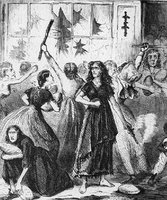
3     As the war carried on without end, the Southern government printed more money. Too much money in circulation caused prices to rise. Shortages of food and supplies forced the rate of inflation higher. A Richmond newspaper estimated that it cost $6.55 in 1860 to feed a small family. In 1863, it was estimated to cost $68.25 to feed the same family.

Paragraphs 4 to 7:
For the complete story with questions: click here for printable


Copyright © 2009 edHelper