edHelper.com
Canyonlands National Park


Canyonlands National Park

A Short Reader

Reading Level
     edHelper's suggested reading level:   grades 4 to 6
     Flesch-Kincaid grade level:   4.25

Vocabulary
     challenging words:    canyons, tributary, surrounding, rests, erosion, unique, landforms, plateau, name, impossible, canoe, flow, rocks, camp, similar, scenic
     content words:    Canyonlands National Park, Colorado River, National Park, Green River


Print Canyonlands National Park
     Print Canyonlands National Park  (font options, pick words for additional puzzles, and more)


Quickly Print - PDF format
     Quickly Print: PDF (2 columns per page)

     Quickly Print: PDF (full page)


Quickly Print - HTML format
     Quickly Print: HTML


Proofreading Activity
     Print a proofreading activity


Feedback on Canyonlands National Park
     Leave your feedback on Canyonlands National Park  (use this link if you found an error in the story)


Canyonlands National Park
By Meg Leonard
  

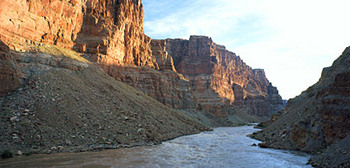
1     Canyonlands National Park is in Utah. Its name comes from the many canyons here. There are also mesas and buttes. All three landforms are caused by erosion. The Colorado River and its tributaries have eroded a plateau for thousands of years. There are four different areas of Canyonlands National Park.
 
2     The first area is called the Island in the Sky. This large mesa rests on cliffs that are around 1,000 feet above the surrounding area. To explore Island in the Sky, you can drive on a scenic paved road. There are places to stop your car and enjoy the sights. There are hiking trails. If your car has four-wheel drive, you can explore some of the rougher roads. You can camp in the backcountry.
 
3     The second area is called the Needles. Erosion has created unique landforms in this area. Tall spires of sandstone are found here. They are very colorful. The spires look like needles standing straight up on the ground. There are a lot of trails to hike on in the Needles.

Paragraphs 4 to 5:
For the complete story with questions: click here for printable


Copyright © 2009 edHelper