edHelper.com
North Cascades National Park


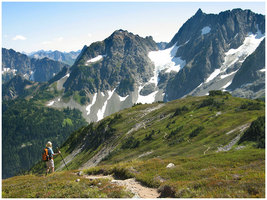
North Cascades National Park

A Short Reader

Reading Level
     edHelper's suggested reading level:   grades 4 to 6
     Flesch-Kincaid grade level:   6.11

Vocabulary
     challenging words:    outdoor, entire, species, temperate, matches, state, eastern, moisture, western, emergency, common, flashlight, important, group, also, dryer
     content words:    Cascades National Park, Ross Lake, Lake Chelan National Recreational Areas, North Cascades National Park, United States, Cascade Mountain Range, Pacific Ocean, National Park, Ten Essentials


Print North Cascades National Park
     Print North Cascades National Park  (font options, pick words for additional puzzles, and more)


Quickly Print - PDF format
     Quickly Print: PDF (2 columns per page)

     Quickly Print: PDF (full page)


Quickly Print - HTML format
     Quickly Print: HTML


Proofreading Activity
     Print a proofreading activity


Feedback on North Cascades National Park
     Leave your feedback on North Cascades National Park  (use this link if you found an error in the story)


North Cascades National Park
By Meg Leonard
  

1     North Cascades National Park is in the state of Washington. Three park units are managed together. Ross Lake and Lake Chelan National Recreational Areas are managed with North Cascades National Park. The entire area stretches up to the United States border with Canada.
 
2     This park is one of the snowiest places on Earth. From autumn to spring, much of the park is covered with snow. The snow is usually gone by mid-June. It usually doesn't start snowing again until the end of September. The western slopes of the Cascade Mountain Range get a lot of precipitation each year. The moisture from the Pacific Ocean falls to the ground as rain and snow. The western slopes get a lot more precipitation than the eastern slopes. The western slopes get an average of 76 more inches of rain each year. They get an average of 407 more inches of snow each year! Storms are common all year long. The western slopes have temperate evergreen forests. The eastern slopes are warmer and dryer.
.....
For the complete story with questions: click here for printable


Copyright © 2009 edHelper