edHelper.com
Grace Abbott: Child Labor Activist


Grace Abbott: Child Labor Activist
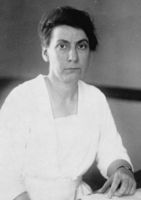
Reading Level
     edHelper's suggested reading level:   grades 7 to 9
     Flesch-Kincaid grade level:   7.98

Vocabulary
     challenging words:    childcare, nationwide, federal, leadership, workday, representative, provided, fund, general, committee, death, welfare, purpose, poll, settlement, official
     content words:    Industrial Revolution, Factory Acts, Grace Abbott, Grand Island, Grand Island Baptist College, Broken Bow, Hull House, United States, Industrial Division, President Warren Harding


Print Grace Abbott: Child Labor Activist
     Print Grace Abbott: Child Labor Activist  (font options, pick words for additional puzzles, and more)


Quickly Print - PDF format
     Quickly Print: PDF (2 columns per page)

     Quickly Print: PDF (full page)


Quickly Print - HTML format
     Quickly Print: HTML


Proofreading Activity
     Print a proofreading activity


Feedback on Grace Abbott: Child Labor Activist
     Leave your feedback on Grace Abbott: Child Labor Activist  (use this link if you found an error in the story)


Grace Abbott: Child Labor Activist
By Joyce Furstenau
  

1     At what age do you think kids should start working for wages? Children as young as four were put to work in factories during the Industrial Revolution. Children have been part of the labor force throughout history. It was only after public education became available that the rights of children began to change.
 
2     The first general laws against child labor were called the Factory Acts. They were passed in Britain in the first half of the 19th century. Children younger than nine were no longer allowed to work. If you were under the age of eighteen, your workday was limited to twelve hours.
 
3     Grace Abbott was an important voice in the fight to protect children's rights. It was her voice that protected mothers and children. She tried to protect immigrants from abuse. She rescued children in the work force from the horrible conditions of the time.

Paragraphs 4 to 10:
For the complete story with questions: click here for printable


Copyright © 2009 edHelper