edHelper.com
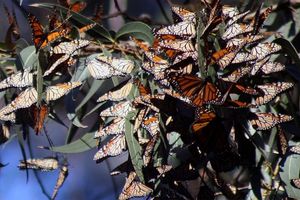
Monarchs on the Move: A Southern Migration


Monarchs on the Move: A Southern Migration

A Short Reader

Reading Level
     edHelper's suggested reading level:   grades 4 to 6
     Flesch-Kincaid grade level:   4.32

Vocabulary
     challenging words:    generation, travelers, offspring, army, journey, destination, massive, harsh, migrate, early, future, migration, form, settle, group, search
     content words:    United States, Each February


Print Monarchs on the Move: A Southern Migration
     Print Monarchs on the Move: A Southern Migration  (font options, pick words for additional puzzles, and more)


Quickly Print - PDF format
     Quickly Print: PDF (2 columns per page)

     Quickly Print: PDF (full page)


Quickly Print - HTML format
     Quickly Print: HTML


Proofreading Activity
     Print a proofreading activity


Feedback on Monarchs on the Move: A Southern Migration
     Leave your feedback on Monarchs on the Move: A Southern Migration  (use this link if you found an error in the story)


Monarchs on the Move: A Southern Migration
By Erin Horner
  

1     Every fall a massive migration takes place. An army of orange and black bravely makes its way south. Thousands of sun seekers gather from Canada and the northern United States. They form a large group and head to Mexico and California. But these travelers are not in search of a great tan. They are dark enough already. These are monarch butterflies. They migrate south to avoid the harsh, northern winters.
 
2     Monarchs migrate in groups. These tough travelers can fly up to forty-five miles in one day. Their total trip can be 2,500 miles long. They are the only insects that migrate this far. After a long day of flying, the monarchs land on trees to sleep each night. Then in the morning they start out once again. Early each winter the monarchs reach their destination. Then they settle into their winter home. Thousands will rest on tree trunks and branches. Together they rest all winter long. This is known .....
For the complete story with questions: click here for printable


Copyright © 2009 edHelper