edHelper.com
Plants
The Structure of a Root


The Structure of a Root
Reading Level
     edHelper's suggested reading level:   grades 6 to 8
     Flesch-Kincaid grade level:   5.29

Vocabulary
     challenging words:    lubricate, mitosis, xylem, erosion, injury, gravity, dandelion, radish, material, divide, mass, layer, absorb, serve, roots, soil


Print The Structure of a Root
     Print The Structure of a Root  (font options, pick words for additional puzzles, and more)


Quickly Print - PDF format
     Quickly Print: PDF (2 columns per page)

     Quickly Print: PDF (full page)


Quickly Print - HTML format
     Quickly Print: HTML


Proofreading Activity
     Print a proofreading activity


Feedback on The Structure of a Root
     Leave your feedback on The Structure of a Root  (use this link if you found an error in the story)


The Structure of a Root
By Cindy Grigg
  

1     Have you ever tried to pull a dandelion plant out of the ground? It's not easy, is it? That's because most roots are good anchors. Roots have two important functions. Roots anchor a plant in the ground and absorb water and nutrients from the soil. The more root area a plant has, the more water and nutrients it can absorb. The roots of a walnut tree may be as long as the tree's height above the ground. Some plants' roots also serve as a storage area for food. Carrots and beets are two plants which store their extra food in their roots.
 
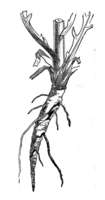
2     There are two types of root systems: taproot and fibrous. A taproot system consists of a long, thick main root. Thin branching roots grow off the main taproot. Turnips, radishes, carrots, dandelions, and cacti have taproots. Grass, corn, and most trees have fibrous root systems. They have several main roots that branch again and again to form a tangled mass of roots and soil. This is why grass is a good ground cover to hold the soil in place to prevent erosion.
 
3     If we looked carefully at a root, we would see that the tip of the root is rounded. It is covered by a structure called the root cap. The root cap, which contains dead cells, protects the root from injury from rocks and other material as the root grows through the soil. The root cap also makes a slimy substance called mucigel (MUCE-i-jell). This works to lubricate the growing roots and makes it easier for them to push through the soil.

Paragraphs 4 to 7:
For the complete story with questions: click here for printable


Copyright © 2009 edHelper