'); } var S; S=topJS(); SLoad(S); //-->
![]() edHelper.com |
Making the Medals |
| edHelper's suggested reading level: | grades 3 to 5 | |
| Flesch-Kincaid grade level: | 4.69 |
| Print Making the Medals (font options, pick words for additional puzzles, and more) |
| Quickly Print: PDF (2 columns per page) |
|
| Quickly Print: PDF (full page) |
| Quickly Print: HTML |
| Print a proofreading activity |
| Leave your feedback on Making the Medals (use this link if you found an error in the story) |
|
Making the Medals
By Erin Horner |
|
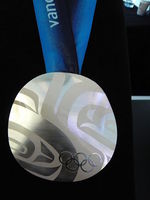
1 All Olympians have one big thing in common. They all want to win a medal at the Olympics. These athletes dream of bringing home an Olympic medal after the Games. This dream comes true for the first, second, and third place finishers in each event. These medals are not all alike. First place winners are given gold medals. Those who come in second place receive silver medals. Third place finishers earn bronze medals. The Olympic Committee sets forth certain medal making guidelines that must be followed, but the actual design of the awards has varied over the years. Each gold medal is made using 550 grams of silver. The silver is then covered with 6 grams of pure gold. Each gold medal is worth nearly $500! A silver medal is a lot like a gold one. It is made with 550 grams of silver, but that's all. It is not covered in gold like the .....![]() |
Create Weekly Reading Books
Prepare for an entire week at once! |