edHelper.com


Venezuela - Culture: Teresa de la Parra


Venezuela - Culture: Teresa de la Parra
Reading Level
     edHelper's suggested reading level:   grades 5 to 7
     Flesch-Kincaid grade level:   7.39

Vocabulary
     challenging words:    provided, illegal, society, writing, social, reading, especially, practically, tuberculosis, thoughts, title, woman, government, audience, during, independence
     content words:    Ana Teresa Parra Sanojo, Many Venezuelans, Young Lady Who Wrote Because She Was Bored, Maria Eugenia Alonso, South America, In France


Print Venezuela - Culture: Teresa de la Parra
edHelper.com subscriber options:
     Print Venezuela - Culture: Teresa de la Parra  (font options, pick words for additional puzzles, and more)

     Quickly print reading comprehension

     Print a proofreading activity


Feedback on Venezuela - Culture: Teresa de la Parra
     Leave your feedback on Venezuela - Culture: Teresa de la Parra  (use this link if you found an error in the story)


Venezuela - Culture: Teresa de la Parra
By Ekaterina Zhdanova-Redman
  

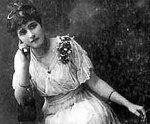
1     Many years ago, there was a young woman who wasn't happy with the way things were. The people she lived around didn't share her beliefs. She wanted to find a new way of living, a way that was nicer for young women. She wanted a life with more choices than her country provided. Her name was Teresa de la Parra and she was from Venezuela.
 
2     Teresa was born Ana Teresa Parra Sanojo on October 5, 1889 in Paris, France. She was the daughter of Venezuela's ambassador to Germany. When she was a child and young woman, Venezuela was in the middle of change. It had just become independent, after hundreds of years of Spanish rule. There were many questions about Venezuela's government, and many people who were trying to take control. It was a confusing and frustrating time for many Venezuelans.
 
3     It was especially confusing for young Teresa. At the time, Venezuelans had certain beliefs about women. Many Venezuelans believed that men were the most important people in society. They believed that a woman's place was to support a man. Many believed that a woman' life should be as a wife and a mother, and nothing else. Teresa didn't believe this, because she didn't want that life. She wanted to be an independent woman. And at the time, most Venezuelans didn't like the idea of a woman being independent.

Paragraphs 4 to 7:
For the complete story with questions: click here for printable


Copyright © 2008 edHelper