
Worksheets and No Prep Teaching Resources
Reading Comprehension Worksheets
|
Worksheets and No Prep Teaching Resources Reading Comprehension Worksheets |
|
| edHelper's suggested reading level: | grades 5 to 7 | |
| Flesch-Kincaid grade level: | 5.38 |
|
Nicaragua - Culture: El Nino Poeta
By Ekaterina Zhdanova-Redman |
|
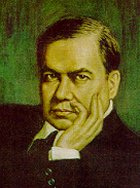 1 Do you know what a poem is? It is a style of writing. This style uses words that make up a rhythm. Some poems rhyme, some don't. Do you hear or read poems? You probably do. Think about the music you listen to. A lot of music uses poems. Singers sing poems in songs. So you probably know many poems! Can you write a poem? Some people are very good at writing poems. In Nicaragua, there was a young man who was very good at writing poems. His name was Ruben Dario.
 |
Create Weekly Reading Books
Prepare for an entire week at once! |
| Leave your feedback on Nicaragua - Culture: El Nino Poeta (use this link if you found an error in the story) |