| 1. |
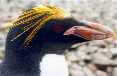
blubber | When water freezes, it becomes this. |  | This is the only penguin species that likes to live alone. We can only find this penguin in New Zealand. It has yellow irises. |  | Many animals living in the Arctic and Antarctica have this under their skin. This is a layer of fat. Polar bears, whales, seals, and penguins all have this. |  | Many birds have this around their bellies to transmit heat to their eggs. This is a patch of bare skin. |
|
|
| 2. |
regurgitate| | Parent penguins ____________ or throw up food bit by bit from their stomachs to the back of their throats so their chicks can eat. | | | This bird has wings but it cannot fly. Most of them live in very cold places, such as Antarctica. | | | This is the coldest continent on Earth. It's record low temperature is -126 degrees Fahrenheit! We can find emperor penguins and Adélie penguins living along the shores of this continent. | | | This is the Earth's southernmost point, and it is on Antarctica. |
|
|
| 3. |
emperor penguin| | All birds go through this process of replacing their old feathers with new ones. While most birds do so in small patches, penguins change their feathers all at once! | | | This penguin is the tallest and the fattest penguin species and has orange cheeks. It lives along the shores of Antarctica. | | | Many animals living in the Arctic and Antarctica have this under their skin. This is a layer of fat. Polar bears, whales, seals, and penguins all have this. | | | This is the coldest continent on Earth. It's record low temperature is -126 degrees Fahrenheit! We can find emperor penguins and Adélie penguins living along the shores of this continent. |
|
|
| 4. |
molting| | Parent penguins ____________ or throw up food bit by bit from their stomachs to the back of their throats so their chicks can eat. | | | When water freezes, it becomes this. | | | All birds go through this process of replacing their old feathers with new ones. While most birds do so in small patches, penguins change their feathers all at once! | | | This penguin is the tallest and the fattest penguin species and has orange cheeks. It lives along the shores of Antarctica. |
|
|
| 5. |
brooding patch| | Many animals living in the Arctic and Antarctica have this under their skin. This is a layer of fat. Polar bears, whales, seals, and penguins all have this. | | | Many birds have this around their bellies to transmit heat to their eggs. This is a patch of bare skin. | | | This bird has wings but it cannot fly. Most of them live in very cold places, such as Antarctica. | | | This is the Earth's southernmost point, and it is on Antarctica. |
|
|
| 6. |
Antarctica| | Many birds have this around their bellies to transmit heat to their eggs. This is a patch of bare skin. | | | This is the only penguin species that likes to live alone. We can only find this penguin in New Zealand. It has yellow irises. | | | All birds go through this process of replacing their old feathers with new ones. While most birds do so in small patches, penguins change their feathers all at once! | | | This is the coldest continent on Earth. It's record low temperature is -126 degrees Fahrenheit! We can find emperor penguins and Adélie penguins living along the shores of this continent. |
|
|
| 7. |
south pole| | This is the Earth's southernmost point, and it is on Antarctica. | | | This is the only penguin species that likes to live alone. We can only find this penguin in New Zealand. It has yellow irises. | | | When water freezes, it becomes this. | | | All birds go through this process of replacing their old feathers with new ones. While most birds do so in small patches, penguins change their feathers all at once! |
|
|
| 8. |
yellow-eyed penguin| | This bird has wings but it cannot fly. Most of them live in very cold places, such as Antarctica. | | | This is the only penguin species that likes to live alone. We can only find this penguin in New Zealand. It has yellow irises. | | | This penguin is the tallest and the fattest penguin species and has orange cheeks. It lives along the shores of Antarctica. | | | Many animals living in the Arctic and Antarctica have this under their skin. This is a layer of fat. Polar bears, whales, seals, and penguins all have this. |
|
|
| 9. |
penguin| | This penguin is the tallest and the fattest penguin species and has orange cheeks. It lives along the shores of Antarctica. | | | This is the coldest continent on Earth. It's record low temperature is -126 degrees Fahrenheit! We can find emperor penguins and Adélie penguins living along the shores of this continent. | | | Parent penguins ____________ or throw up food bit by bit from their stomachs to the back of their throats so their chicks can eat. | | | This bird has wings but it cannot fly. Most of them live in very cold places, such as Antarctica. |
|
|
| 10. |
ice| | Many animals living in the Arctic and Antarctica have this under their skin. This is a layer of fat. Polar bears, whales, seals, and penguins all have this. | | | This bird has wings but it cannot fly. Most of them live in very cold places, such as Antarctica. | | | Parent penguins ____________ or throw up food bit by bit from their stomachs to the back of their throats so their chicks can eat. | | | When water freezes, it becomes this. |
|
|
| 11. |
| | This reptile is a member of the crocodilian family. It is the largest reptile in the world! One of the differences between this reptile and its close relative, the alligator, is its snout. This reptile has a pointed snout whereas an alligator has a rounded one. | | | When water freezes, it becomes this. | | | This is the coldest continent on Earth. It's record low temperature is -126 degrees Fahrenheit! We can find emperor penguins and Adélie penguins living along the shores of this continent. | | | All birds go through this process of replacing their old feathers with new ones. While most birds do so in small patches, penguins change their feathers all at once! |
|
|