
|
Presidents Theme
edHelper.com Subscribers: Click Here to Build a New Printable Version of this Pre-Made Worksheet! |
Return to Presidents Theme |
| Who is this president? |
|
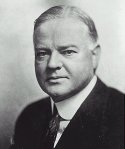 ____, the 31st president of the United States, was the son of a Quaker blacksmith. Although his first years were very happy, he was orphaned at age nine and grew up in the home of his aunt and uncle in Oregon, far from his West Branch, Iowa birthplace. He was a member of the first class at Stanford University and graduated as a mining engineer. He and his wife spent the next several years in China working for a private corporation. When the Boxer Rebellion broke out, ____'s wife worked in the hospitals, and he directed the building of barricades. He once risked his life rescuing Chinese children. When Germany declared war on France, ____ was called on to help get stranded tourists home. After the United States entered the war, President Wilson appointed ____ head of the Food Administration, charged with keeping the Allies fed. After the Armistice, ____ headed the American Relief Administration and organized shipments of food for millions of starving people in central Europe and Soviet Russia. His election to the presidency seemed like a sign that prosperity was near. Within months, though, the stock market crashed and the United States was sliding towards a depression. After the stock market crash, President ____ said he would keep the federal budget balanced, cut taxes, and expand public works spending. He worked with Congress to create the Reconstruction Finance Corporation to aid business. He was firm in his conviction that while people must not suffer from hunger and cold that caring for them was primarily a local and voluntary responsibility. His opponents in Congress unfairly characterized him as an unfeeling, cruel president. Far from cruel and unfeeling, President ____ merely felt that the federal government should be careful about becoming responsible for caring for the poor. He believed it would lead to statism. Nevertheless, President ____ became the scapegoat for the Depression and was badly defeated in his bid for re-election. After his presidency ended, he became a vocal critic of the "New Deal." He wrote many articles and books, one of which he was working on when he died on October 20, 1964 at the age of 90.
 Franklin D. Roosevelt
 Theodore Roosevelt
 James Polk
 Harry Truman
 James Madison
 Herbert Hoover
|
Answer Key
|