
Worksheets and No Prep Teaching Resources
Reading Comprehension Worksheets
History of Books and Writing
History of Books and Writing
|
Worksheets and No Prep Teaching Resources Reading Comprehension Worksheets History of Books and Writing |
History of Books and Writing |
| edHelper's suggested reading level: | grades 9 to 12 | |
| Flesch-Kincaid grade level: | 8.28 |
|
Ancient Picture Stories
By Colleen Messina |
|
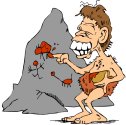 1 Fred Flintstone was a lucky guy. He had the local Bedrock newsrock delivered to his doorstep each day, and the family snorkosaurus, Dino, brought it inside for Fred to read. In truth, early peoples just told stories orally, and it took thousands of years before anything was written down. Early storytellers had no alphabet, pens, or paper. They got tired of telling the same stories again and again. Finally, someone decided to take a piece of charcoal and scratch the head of an animal on the wall, perhaps to make his or her story more memorable. This simple picture was the beginning of the written word. The expression, "a picture paints a thousand words," perfectly describes how written language began about 35,000 years ago.
 |
Create Weekly Reading Books
Prepare for an entire week at once! |
| Leave your feedback on Ancient Picture Stories (use this link if you found an error in the story) |
|
History of Books and Writing
|
 |
High School Reading Comprehensions and High School Reading Lessons
|
 |
Art Theme Unit: Reading Comprehensions
|
 |
Social Studies
|