
Worksheets and No Prep Teaching Resources
Reading Comprehension Worksheets
World War I

World War I
|
Worksheets and No Prep Teaching Resources Reading Comprehension Worksheets World War I |
World War I |
| edHelper's suggested reading level: | grades 5 to 7 | |
| Flesch-Kincaid grade level: | 6.44 |
|
The Schlieffen Plan
By Jane Runyon |
|
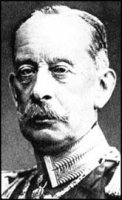 1 Long before the first shots were fired in World War I, plans were being made to win the war. In 1904, ten years before the battles began, France, Great Britain, and Russia decided to form an alliance. These countries had heard rumblings from Germany that frightened them. They felt threatened by the Germans. Germany was building up its army and hinting at the idea that they would like to take control of smaller countries in Eastern Europe. France and Great Britain made an agreement to help each other in the event of a German attack. They decided to include Russia in their agreement. That would mean that the western border with Germany would be protected by France and Great Britain. The eastern border with Germany would be protected by Russia.
 |
Create Weekly Reading Books
Prepare for an entire week at once! |
| Leave your feedback on The Schlieffen Plan (use this link if you found an error in the story) |
|
World War I
|
 |
Social Studies
|
 |
United States
|
|
|
|
|
 | Fifty States Theme Unit |
 |
Document Based Activities |