
Worksheets and No Prep Teaching Resources
Reading Comprehension Worksheets
Ancient Rome
Ancient Rome
|
Worksheets and No Prep Teaching Resources Reading Comprehension Worksheets Ancient Rome |
Ancient Rome |
| edHelper's suggested reading level: | grades 7 to 9 | |
| Flesch-Kincaid grade level: | 8.52 |
|
Who Did What in the Roman Republic
By Vickie Chao |
|
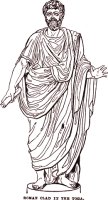 1 Democracy, by definition, means rule by people. Both the word and the concept itself came from Greece a long time ago. When the Romans revolted and expelled the Etruscan king, Tarquin the Proud, in 510 B.C. (some say 509 B.C.), they vowed never to be governed by emperors again. Thus, they borrowed the Greek idea of democracy and created the Roman Republic.
 |
Create Weekly Reading Books
Prepare for an entire week at once! |
| Leave your feedback on Who Did What in the Roman Republic (use this link if you found an error in the story) |
|
Ancient Rome
|
 |
High School Reading Comprehensions and High School Reading Lessons
|
 |
Social Studies
|