
Worksheets and No Prep Teaching Resources
Reading Comprehension Worksheets
Animal Themes
Mammals
Animal Themes
|
Worksheets and No Prep Teaching Resources Reading Comprehension Worksheets Animal Themes Mammals |
Animal Themes |
| edHelper's suggested reading level: | grades 6 to 8 | |
| Flesch-Kincaid grade level: | 7.8 |
| Unusual Mammals: Marsupials & Monotremes |
|
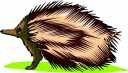 1 Mammals are warm-blooded vertebrate animals with hair that feed their young with milk. Most mammals (such as lions and rodents) give birth to live young that look like smaller versions of their parents. Others rear their offspring differently. Scientists divide these other mammals into two groups: marsupials and monotremes. Oddly, Australia is home to most of these unique mammals. Almost all marsupials live in Australia. All monotremes live on this small continent that we nicknamed the Land Down Under.
 |
Create Weekly Reading Books
Prepare for an entire week at once! |
| Leave your feedback on Unusual Mammals: Marsupials & Monotremes (use this link if you found an error in the story) |
|
Animal Themes
|
 |
Mammals
|
 |
High School Reading Comprehensions and High School Reading Lessons
|
|
|