
Worksheets and No Prep Teaching Resources
Reading Comprehension Worksheets
Animal Themes
Mammals
Animal Themes
|
Worksheets and No Prep Teaching Resources Reading Comprehension Worksheets Animal Themes Mammals |
Animal Themes |
| edHelper's suggested reading level: | grades 6 to 8 | |
| Flesch-Kincaid grade level: | 8.18 |
| Basics of Squirrels |
|
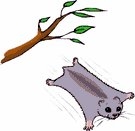
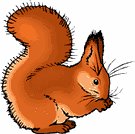 1 If you happen to keep a bird feeder in your yard, you may find yourself filling up the feeder constantly. You may be feeding not only birds, but also squirrels! Although you may not welcome these bushy-tailed animals' visits, you cannot do much to stop them. That is because squirrels are extremely agile. It seems they can always find a way to the hard-to-reach feeder.
 |
Create Weekly Reading Books
Prepare for an entire week at once! |
| Leave your feedback on Basics of Squirrels (use this link if you found an error in the story) |
|
Animal Themes
|
 |
Mammals
|
 |
Squirrels
|
|
|