
Worksheets and No Prep Teaching Resources
Reading Comprehension Worksheets
Animal Themes
Fish
Oceans

Animal Themes
|
Worksheets and No Prep Teaching Resources Reading Comprehension Worksheets Animal Themes Fish Oceans |
Animal Themes |
| edHelper's suggested reading level: | grades 5 to 8 | |
| Flesch-Kincaid grade level: | 5.81 |
| Types of Fish |
|
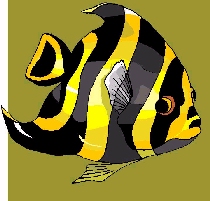 1 Fish live and breathe in water. They have gills to breathe. They have fins and a streamlined body suitable for swimming. And they have scales for protection. Fish are vertebrates - animals with a backbone. Mammals (such as monkeys, horses, cats), reptiles (such as lizards, snakes), amphibians (such as frogs and toads), and birds also have backbones, and they are all vertebrates.
 |
Create Weekly Reading Books
Prepare for an entire week at once! |
| Leave your feedback on Types of Fish (use this link if you found an error in the story) |
|
Animal Themes
|
 |
Fish
|
 |
Oceans
|
|
|