
Worksheets and No Prep Teaching Resources
Reading Comprehension Worksheets
Animal Themes
Amphibians
Animal Themes
|
Worksheets and No Prep Teaching Resources Reading Comprehension Worksheets Animal Themes Amphibians |
Animal Themes |
| edHelper's suggested reading level: | grades 6 to 8 | |
| Flesch-Kincaid grade level: | 8.49 |
| Salamanders |
|
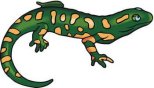 1 Back in ancient times, people believed that there was a lizard-like creature that could defy fire. Indeed, as they threw a log onto a fire, they often found a mysterious animal crawling out from the burning log unharmed. Amazed, they gave this unknown animal a Greek name – "salamander." In Greek, the word literally means "fire lizard."
 |
Create Weekly Reading Books
Prepare for an entire week at once! |
| Leave your feedback on Salamanders (use this link if you found an error in the story) |
|
Animal Themes
|
 |
Amphibians
|
|
|