
Worksheets and No Prep Teaching Resources
Reading Comprehension Worksheets
Animal Themes
Mammals
Oceans
Animal Themes
|
Worksheets and No Prep Teaching Resources Reading Comprehension Worksheets Animal Themes Mammals Oceans |
Animal Themes |
| edHelper's suggested reading level: | grades 6 to 8 | |
| Flesch-Kincaid grade level: | 5.98 |
| Walruses |
|
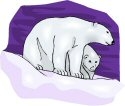
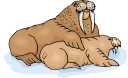 1 Walruses have two large tusks sticking out from their upper jaws. These two tusks are actually their upper canine teeth. Walruses live in the Arctic region. They can survive the icy-cold weather because they have plenty of blubber (body fat) stored under their skin. Walruses are one of the largest and heaviest land mammals living in the Arctic. They are even heavier than polar bears! Adult walruses can grow to twelve feet in length and weigh about 3,700 pounds.
 |
Create Weekly Reading Books
Prepare for an entire week at once! |
| Leave your feedback on Walruses (use this link if you found an error in the story) |
|
Animal Themes
|
 |
Mammals
|
 |
Oceans
|
 |
Polar Regions
|
|
|