
Worksheets and No Prep Teaching Resources
Reading Comprehension Worksheets
Animal Themes
Endangered Animals Theme Unit
Mammals
Animal Themes
|
Worksheets and No Prep Teaching Resources Reading Comprehension Worksheets Animal Themes Endangered Animals Theme Unit Mammals |
Animal Themes |
| edHelper's suggested reading level: | grades 6 to 8 | |
| Flesch-Kincaid grade level: | 7.19 |
| Tapirs |
|
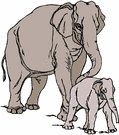
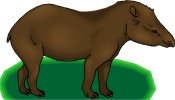 1 Tapirs look like a cross between pigs and elephants. Indeed, their bulky bodies, short legs, and short tails remind us of pigs. Their flexible, rubbery snouts remind us of an elephant's trunk. But, despite these things in common, tapirs are not related to either pigs or elephants. Their closest relative is the rhinoceros.
 |
Create Weekly Reading Books
Prepare for an entire week at once! |
| Leave your feedback on Tapirs (use this link if you found an error in the story) |
|
Animal Themes
|
 |
Endangered Animals Theme Unit
|
 |
Mammals
|
 |
Rain Forest
|
|
|