
Worksheets and No Prep Teaching Resources
Reading Comprehension Worksheets
Animal Themes
Invertebrates
Halloween
Animal Themes
|
Worksheets and No Prep Teaching Resources Reading Comprehension Worksheets Animal Themes Invertebrates Halloween |
Animal Themes |
| edHelper's suggested reading level: | grades 6 to 8 | |
| Flesch-Kincaid grade level: | 7.28 |
| Tarantulas |
|
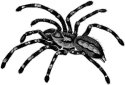 1 At first, the word "tarantula" was the name of a specific species of wolf spiders called the Lycosa tarantula. People were scared of this spider. They believed (for no good reason) that it spread a disease called "tarantism." The illness was thought to be caused by the Lycosa tarantula's bites. The illness was first recorded in medical journals in southern Europe in the 14th century. According to local beliefs, the only cure was to dance to certain music for days or even weeks. The dance was called the tarantella.
 |
Create Weekly Reading Books
Prepare for an entire week at once! |
| Leave your feedback on Tarantulas (use this link if you found an error in the story) |
|
Animal Themes
|
 |
Invertebrates
|
 |
Halloween
|
|
|