
Worksheets and No Prep Teaching Resources
Reading Comprehension Worksheets
Animal Themes
Endangered Animals Theme Unit
Reptiles
Animal Themes
|
Worksheets and No Prep Teaching Resources Reading Comprehension Worksheets Animal Themes Endangered Animals Theme Unit Reptiles |
Animal Themes |
| edHelper's suggested reading level: | grades 8 to 12 | |
| Flesch-Kincaid grade level: | 9.13 |
| Galapagos Tortoises |
|
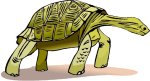 1 Galapagos tortoises are the world's largest tortoise species. They measure up to four feet long and weigh as much as 700 pounds. Tortoises and turtles are actually the same animal. Yet, they are called these different names based upon the type of habitats in which they dwell. Tortoises live on land, and turtles live in water.
 |
Create Weekly Reading Books
Prepare for an entire week at once! |
| Leave your feedback on Galapagos Tortoises (use this link if you found an error in the story) |
|
Animal Themes
|
 |
Endangered Animals Theme Unit
|
 |
Reptiles
|
|
|