
Worksheets and No Prep Teaching Resources
Reading Comprehension Worksheets
Animal Themes
Invertebrates
Oceans

Animal Themes
|
Worksheets and No Prep Teaching Resources Reading Comprehension Worksheets Animal Themes Invertebrates Oceans |
Animal Themes |
| edHelper's suggested reading level: | grades 6 to 8 | |
| Flesch-Kincaid grade level: | 6.79 |
| Crabs |
|
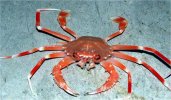 1 Crabs are fierce warriors! To demonstrate their forcefulness, they put their weapons -- a pair of claws -- close to their heads, in plain view to warn potential enemies. To protect their bodies, they have outer shells (carapaces) made of a hard material called chitin. To be able to spot danger quickly, their compound eyes are elevated on stalks. Though these features make crabs excellent soldiers, it is their style of walking that brands crabs distinctive fighters. You see, while most warriors confront their enemies by stepping forward, crabs do so by moving sideways!
 |
Create Weekly Reading Books
Prepare for an entire week at once! |
| Leave your feedback on Crabs (use this link if you found an error in the story) |
|
Animal Themes
|
 |
Invertebrates
|
 |
Oceans
|
|
|