
Worksheets and No Prep Teaching Resources
Reading Comprehension Worksheets
Animal Themes
Insects
Invertebrates

Animal Themes
|
Worksheets and No Prep Teaching Resources Reading Comprehension Worksheets Animal Themes Insects Invertebrates |
Animal Themes |
| edHelper's suggested reading level: | grades 5 to 6 | |
| Flesch-Kincaid grade level: | 6.37 |
| Dragonflies |
|
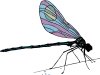 1 Dragonflies are top-notch fliers. They not only fly fast, but they also have excellent control over their maneuvers in midair. When they jet along riverbanks or in wetland areas, they hold out their spiny legs in front to make little baskets for catching flying insects. They do not travel aimlessly, hoping an unlucky bug will somehow fly into their traps. Rather, they know exactly where to go. Dragonflies have two very big compound eyes, covering most of their heads. They see very well, so even the slightest movement will not escape them. As soon as they find a target, they track it down, scoop it up, and devour it. They complete the whole series of actions all while in flight!
 |
Create Weekly Reading Books
Prepare for an entire week at once! |
| Leave your feedback on Dragonflies (use this link if you found an error in the story) |
|
Animal Themes
|
 |
Insects
|
 |
Invertebrates
|
 |
Fresh Water
|
 |
Rain Forest
|
|
|