
Worksheets and No Prep Teaching Resources
Reading Comprehension Worksheets
Animal Themes
Endangered Animals Theme Unit
Mammals

Animal Themes
|
Worksheets and No Prep Teaching Resources Reading Comprehension Worksheets Animal Themes Endangered Animals Theme Unit Mammals |
Animal Themes |
| edHelper's suggested reading level: | grades 7 to 9 | |
| Flesch-Kincaid grade level: | 7.54 |
| Wolves |
|
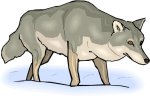 1 Although they are ancestors of men's best friends -- dogs -- wolves are anything but tame and cuddly. Their powerful jaws, forty-two sharp teeth, acute senses of hearing and smell, and haunting howls during the nighttime incite tremendous fear in us. Wolves run fast and travel in packs. When they team up to hunt, they can easily bring down prey more than ten times their size. As a result, they are often cast in lead roles in horror stories or thriller movies.
 |
Create Weekly Reading Books
Prepare for an entire week at once! |
| Leave your feedback on Wolves (use this link if you found an error in the story) |
|
Animal Themes
|
 |
Endangered Animals Theme Unit
|
 |
Mammals
|
 |
Free Halloween Worksheets | edHelper.com
|
|
|