
Worksheets and No Prep Teaching Resources
Reading Comprehension Worksheets
Animal Themes
Polar Regions

Animal Themes
|
Worksheets and No Prep Teaching Resources Reading Comprehension Worksheets Animal Themes Polar Regions |
Animal Themes |
| edHelper's suggested reading level: | grades 6 to 8 | |
| Flesch-Kincaid grade level: | 6.91 |
| Polar Regions |
|
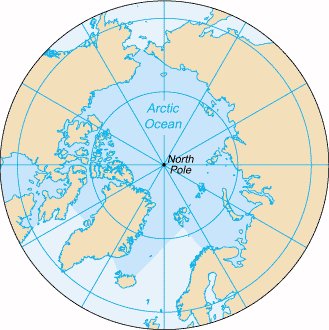 1 Although the Earth's polar regions are far away from each other, they have one thing in common. They are freezing cold! Covered by snow and ice almost all year round, these two regions around the North and South Poles make up the world's coldest biome. The North Pole is encircled by the Arctic Ocean and three continents - Europe, Asia, and North America. We call this region the Arctic. There is no ocean around the South Pole. Instead, it is on an isolated continent called Antarctica. Do you know which polar region is colder? Well, Antarctica is colder. That's because it has a higher elevation. Indeed, no other place in the world can beat Antarctica's record low temperature of -126 degrees Fahrenheit!
 |
Create Weekly Reading Books
Prepare for an entire week at once! |
| Leave your feedback on Polar Regions (use this link if you found an error in the story) |
|
Animal Themes
|
 |
Polar Regions
|
|
|