
Worksheets and No Prep Teaching Resources
Reading Comprehension Worksheets
Animal Themes
Mammals
Groundhog Day
Animal Themes
|
Worksheets and No Prep Teaching Resources Reading Comprehension Worksheets Animal Themes Mammals Groundhog Day |
Animal Themes |
| edHelper's suggested reading level: | grades 3 to 6 | |
| Flesch-Kincaid grade level: | 4.96 |
| Introduction to Groundhogs |

|
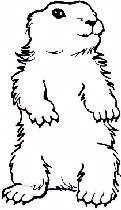 1 Groundhogs live in North America. They are also called woodchucks. They are large rodents. Ground squirrels are their family They have four large incisor teeth shaped like chisels. Their teeth keep growing all their lives. They can grow about 1/16 of an inch every week! Because of this, groundhogs must spend a lot of time nibbling at trees or roots to wear down their teeth. If they don't do that, their front teeth may grow so long they are unable to get food!
 |
Create Weekly Reading Books
Prepare for an entire week at once! |
| Leave your feedback on Introduction to Groundhogs (use this link if you found an error in the story) |
|
Animal Themes
|
 |
Mammals
|
 |
Groundhog Day
|
 |
Squirrels
|
|
|