
Worksheets and No Prep Teaching Resources
Reading Comprehension Worksheets
Animal Themes
Insects
Invertebrates

Animal Themes
|
Worksheets and No Prep Teaching Resources Reading Comprehension Worksheets Animal Themes Insects Invertebrates |
Animal Themes |
| edHelper's suggested reading level: | grades 6 to 8 | |
| Flesch-Kincaid grade level: | 7.52 |
| Basics of Insects |
|
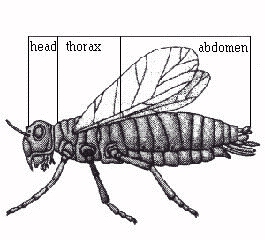 1 Insects are possibly the most successful animals on Earth! Half of the animals known to science - over one million species - are insects. They can be found in extremely harsh environments. From the Himalaya Mountains to the Sahara Desert, scientists have found insects. Indeed, insects are everywhere! Butterflies, bees, ants, cockroaches, and beetles are all insects.
 |
Create Weekly Reading Books
Prepare for an entire week at once! |
| Leave your feedback on Basics of Insects (use this link if you found an error in the story) |
|
Animal Themes
|
 |
Insects
|
 |
Invertebrates
|
|
|