
Worksheets and No Prep Teaching Resources
Reading Comprehension Worksheets
Animal Themes
Fish
Oceans
Animal Themes
|
Worksheets and No Prep Teaching Resources Reading Comprehension Worksheets Animal Themes Fish Oceans |
Animal Themes |
| edHelper's suggested reading level: | grades 3 to 5 | |
| Flesch-Kincaid grade level: | 4.37 |
| Whale Sharks |
|
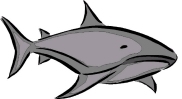 1 "Whale shark", a name that is a combination of two marine animals, is bound to trigger a question in our minds - are whale sharks whales or sharks? Well, one hint - whale sharks are the largest fish on Earth. They can grow up to 50 feet long and weigh more than 27,000 pounds!
 |
Create Weekly Reading Books
Prepare for an entire week at once! |
| Leave your feedback on Whale Sharks (use this link if you found an error in the story) |
|
Animal Themes
|
 |
Fish
|
 |
Oceans
|
|
|