
Worksheets and No Prep Teaching Resources
Reading Comprehension Worksheets
Animal Themes
Invertebrates
Oceans
Animal Themes
|
Worksheets and No Prep Teaching Resources Reading Comprehension Worksheets Animal Themes Invertebrates Oceans |
Animal Themes |
| edHelper's suggested reading level: | grades 6 to 8 | |
| Flesch-Kincaid grade level: | 5.99 |
| Horseshoe Crabs |
|
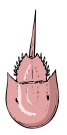 1 Horseshoe crabs are awesome! At first glance, their three-piece armor suits make them look like knights ready for a fight. Their long, stiff, spike-like tails make us hesitant to pick them up with our bare hands. Well, despite their intimidating appearance, horseshoe crabs are actually harmless.
 |
Create Weekly Reading Books
Prepare for an entire week at once! |
| Leave your feedback on Horseshoe Crabs (use this link if you found an error in the story) |
|
Animal Themes
|
 |
Invertebrates
|
 |
Oceans
|
|
|