
Worksheets and No Prep Teaching Resources
Reading Comprehension Worksheets
Animal Themes
Endangered Animals Theme Unit
Mammals
Animal Themes
|
Worksheets and No Prep Teaching Resources Reading Comprehension Worksheets Animal Themes Endangered Animals Theme Unit Mammals |
Animal Themes |
| edHelper's suggested reading level: | grades 6 to 8 | |
| Flesch-Kincaid grade level: | 7.31 |
| Sea Otters |
|
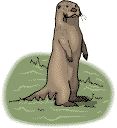 1 Sea otters are the smallest of all marine mammals. They have a body length ranging from 3.3 to 4 feet and weight from 30 to 95 pounds. They are also the only marine mammals that do not have blubber, a layer of fat, under their skin to keep them warm in frigid waters. (Seals and whales are two examples of marine mammals that have blubber.) To make up for this disadvantage, sea otters have fur that other animals can only dream of. In fact, their fur is the world's densest. Sea otters have up to 1 million hairs per square inch!
 |
Create Weekly Reading Books
Prepare for an entire week at once! |
| Leave your feedback on Sea Otters (use this link if you found an error in the story) |
|
Animal Themes
|
 |
Endangered Animals Theme Unit
|
 |
Mammals
|
 |
Ocean
|
|
|