
Worksheets and No Prep Teaching Resources
Reading Comprehension Worksheets
Animal Themes
Birds
Rain Forest
Animal Themes
|
Worksheets and No Prep Teaching Resources Reading Comprehension Worksheets Animal Themes Birds Rain Forest |
Animal Themes |
| edHelper's suggested reading level: | grades 5 to 7 | |
| Flesch-Kincaid grade level: | 7.27 |
| Peafowl |
|
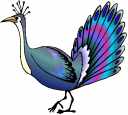 1 You may not be familiar with the birds named "peafowl", but you most probably have heard of the peacock. Strictly speaking, peacocks are male peafowl, and peahens are female peafowl. Nevertheless, peacocks are so beautiful that they simply take over the identity of this bird species.
 |
Create Weekly Reading Books
Prepare for an entire week at once! |
| Leave your feedback on Peafowl (use this link if you found an error in the story) |
|
Animal Themes
|
 |
Birds
|
 |
Rain Forest
|
 |
Farm
|
|
|