
Worksheets and No Prep Teaching Resources
Reading Comprehension Worksheets
Animal Themes
Invertebrates

Animal Themes
|
Worksheets and No Prep Teaching Resources Reading Comprehension Worksheets Animal Themes Invertebrates |
Animal Themes |
| edHelper's suggested reading level: | grades 6 to 8 | |
| Flesch-Kincaid grade level: | 7.81 |
| Invertebrates |
|
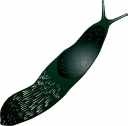 1 There are over two million known animal species on Earth. About 98% of them are invertebrates. Invertebrates are animals that don't have backbones. They live in a variety of environments. They live in hot and unbearable deserts. They live in frigid and equally unbearable polar regions. They also come in a wide range of shapes and colors. To better understand invertebrates, scientists group them into eight major types. Here are the categories and a fact or two about each type.
 |
Create Weekly Reading Books
Prepare for an entire week at once! |
| Leave your feedback on Invertebrates (use this link if you found an error in the story) |
|
Animal Themes
|
 |
Invertebrates
|
|
|