By Laura G. Smith

|
The Ever-Changing Surface of the Earth - Part 1: Erosion
By Laura G. Smith |
|
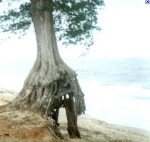
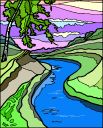 1 If you've ever had the privilege of traveling to foreign countries or even across the United States, you've certainly observed the many different landforms that make up the fascinating surface of our Planet Earth! But there's something about these landforms that is impossible to notice with just a casual glance. From the vast plains and plateaus to the rolling hills, towering mountains, and deep valleys, the Earth's surface is very gradually, but very constantly, being molded and worn down by a process called erosion.
 |
Create Weekly Reading Books
Prepare for an entire week at once! |
| Leave your feedback on The Ever-Changing Surface of the Earth - Part 1: Erosion (use this link if you found an error in the story) |
 |
Earth Worksheets | edHelper.com
|
 |
Earth's Land Worksheets | edHelper.com
|
 |
Erosion Worksheets | edHelper.com
|
 |
Science
|