
Worksheets and No Prep Teaching Resources
Reading Comprehension Worksheets
Weather

Weather
|
Worksheets and No Prep Teaching Resources Reading Comprehension Worksheets Weather |
Weather |
| edHelper's suggested reading level: | grades 8 to 9 | |
| Flesch-Kincaid grade level: | 8.08 |
|
Temperature
By Sharon Fabian |
|
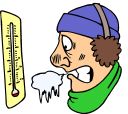 1 On a cool autumn day, it's nice to play outside or go for a walk in the mountains. A hot summer day is a good time to go to a water park. Sometimes in the cold winter months you can enjoy ice skating or having a snowball fight, but you won't know for sure what kind of a day it is until you check the temperature.
 |
Create Weekly Reading Books
Prepare for an entire week at once! |
| Leave your feedback on Temperature (use this link if you found an error in the story) |
|
Weather
|
 |
High School Reading Comprehensions and High School Reading Lessons
|
 |
Science
|