
Worksheets and No Prep Teaching Resources
Reading Comprehension Worksheets
Moon
Solar System
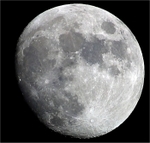
Moon
|
Worksheets and No Prep Teaching Resources Reading Comprehension Worksheets Moon Solar System |
Moon |
| edHelper's suggested reading level: | grades 5 to 7 | |
| Flesch-Kincaid grade level: | 5.46 |
|
The Moon
By Cindy Grigg |
|
 1 From the time you were very young, you looked up in the sky and saw the moon. When you were little, you may have thought the moon "followed" you if you were in a car going somewhere. The moon does move, but it doesn't follow cars.
 |
Create Weekly Reading Books
Prepare for an entire week at once! |
| Leave your feedback on The Moon (use this link if you found an error in the story) |
|
Moon
|
 |
Solar System
|
 |
Science
|