
Worksheets and No Prep Teaching Resources
Reading Comprehension Worksheets
Earthquakes
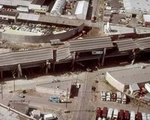
Earthquakes
|
Worksheets and No Prep Teaching Resources Reading Comprehension Worksheets Earthquakes |
Earthquakes |
| edHelper's suggested reading level: | high interest, readability grades 4 to 5 | |
| Flesch-Kincaid grade level: | 3.98 |
|
Earth Has Its Faults
By Patti Hutchison |
|
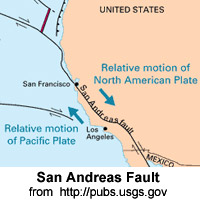 1 A fault is a break between two blocks of rock where there has been movement. Rocks can move apart or together. Sometimes they slide past one another. This movement can occur quickly, causing an earthquake. Or it can happen very slowly, in the form of creep. Faults can be a few millimeters or thousands of kilometers in length.
 |
Create Weekly Reading Books
Prepare for an entire week at once! |
| Leave your feedback on Earth Has Its Faults (use this link if you found an error in the story) |
|
Earthquakes
|
 |
Special Education Science Materials for Teachers
|
 |
Science
|