
Worksheets and No Prep Teaching Resources
Reading Comprehension Worksheets
Animal Themes
Endangered Animals Theme Unit
Reptiles
Animal Themes
|
Worksheets and No Prep Teaching Resources Reading Comprehension Worksheets Animal Themes Endangered Animals Theme Unit Reptiles |
Animal Themes |
| edHelper's suggested reading level: | grades 6 to 8 | |
| Flesch-Kincaid grade level: | 6.89 |
| Komodo Dragons |
|
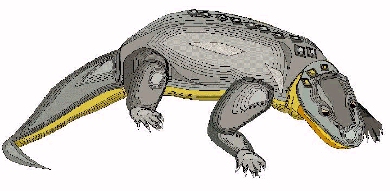 1 Komodo dragons are the largest lizards in the world. They can reach a length of ten feet and a weight of over 250 pounds! Komodo dragons are endangered animals. There are only about 5,000 Komodo dragons left living on four small islands in Indonesia. Komodo dragons got their name from the island on which they were first discovered - Komodo Island. Some people also call them "Komodo Island monitors" because these animals belong to the monitor lizard group. Monitors have tapered heads, long necks, snake-like tongues, strong legs, and powerful tails. They are meat-eaters. They may attack living animals or feed on decaying meat. Savannah monitors (also known as Cape monitors) and Nile monitors are also in the family of monitors.
 |
Create Weekly Reading Books
Prepare for an entire week at once! |
| Leave your feedback on Komodo Dragons (use this link if you found an error in the story) |
|
Animal Themes
|
 |
Endangered Animals Theme Unit
|
 |
Reptiles
|
 |
Rain Forest
|
|
|