edHelper.com
Renaissance


Poetry of the Renaissance


Poetry of the Renaissance
Reading Level
     edHelper's suggested reading level:   grades 6 to 8
     Flesch-Kincaid grade level:   8.81

Vocabulary
     challenging words:    stanza, flattering, epic, format, saying, syllable, comparison, classic, original, famed, strict, present, literature, standard, credit, especially
     content words:    Shel Silverstein, Edmund Spenser, Sir Philip Sidney, Christopher Marlowe, William Shakespeare, English Renaissance, Fairie Queene, Sir Philip Sydney


Print Poetry of the Renaissance
edHelper.com subscriber options:
     Print Poetry of the Renaissance  (font options, pick words for additional puzzles, and more)

     Quickly print reading comprehension

     Print a proofreading activity


Feedback on Poetry of the Renaissance
     Leave your feedback on Poetry of the Renaissance  (use this link if you found an error in the story)


Poetry of the Renaissance
By Sharon Fabian
  

1     When we think of poetry, we often think of short, funny poems like the works of Shel Silverstein or Dr. Seuss. These poems are popular today with both children and adults. For many years, however, other types of poetry were just as popular.
 
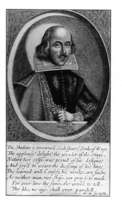
2     Anyone who takes an interest in poetry will soon find that there is a whole tradition of classic poetry which was popular for hundreds of years. Poets like Edmund Spenser, Sir Philip Sidney, Christopher Marlowe, and William Shakespeare set the standard high for English poetry back in the days of the Renaissance.
 
3     If you go to college and major in English one day, you will get to know some of these poems -lyric, epic, and pastoral poems, and the famed sonnets: formal poems with set patterns of lines, rhythm, and rhyme. You will learn lines of poetry written in iambic pentameter, the pattern of ten syllable lines in which every other syllable is stressed. Poets of the Renaissance enjoyed the challenge of working within the strict rules of these formal poems.

Paragraphs 4 to 8:
For the complete story with questions: click here for printable


Copyright © 2008 edHelper