edHelper.com
What Is Tie-Dye?


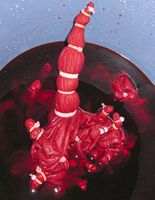
What Is Tie-Dye?
Reading Level
     edHelper's suggested reading level:   grades 4 to 6
     Flesch-Kincaid grade level:   6.11

Vocabulary
     challenging words:    precise, fuchsia, unpredictable, wardrobe, fiber, exotic, traditional, feathery, multicolored, hemp, solution, description, purpose, example, japanese, design
     content words:    In West Africa


Print What Is Tie-Dye?
     Print What Is Tie-Dye?  (font options, pick words for additional puzzles, and more)


Quickly Print - PDF format
     Quickly Print: PDF (2 columns per page)

     Quickly Print: PDF (full page)


Quickly Print - HTML format
     Quickly Print: HTML


Proofreading Activity
     Print a proofreading activity


Feedback on What Is Tie-Dye?
     Leave your feedback on What Is Tie-Dye?  (use this link if you found an error in the story)


What Is Tie-Dye?
By Colleen Messina
  

1     Some kinds of art are precise. For example, it takes time and care to make a mosaic. Putting all those tiny pieces together to create a pattern takes lots of patience. However, other kinds of art are more free-flowing and unpredictable. Tie-dye is an art form that will always surprise you. You might even end up with a new skin color for a few days to match your new wardrobe.
 
2     The term "tie-dye" is actually a description of the process of creating patterns on clothes or fabrics. A tie-dye artist creates patterns on clothing. They use rubber bands or string to gather bunches of material together. Then, the cloth is dyed. The dye is not absorbed into the areas where the ties are, so unusual patterns form. The result is a T-shirt or fabric with fuzzy spirals, flowery patterns, and flowing, feathery areas. Tie-dye shirts are fun to make and to wear.
 
3     Many people think that tie-dying started with the hippies in the 1960s and 1970s. Hippies loved tie-dye shirts. However, this form of art has been around for thousands of years. Cultures in Asia and Africa created many kinds of beautiful clothing. The oldest kind of tie-dye is called Bandhni. This kind of dyeing originated in India over 5,000 years ago. The artist created dots from ties with thread on the fabric.
 
4     Japanese artists also created tie-dye projects in the 8th century. In shibori, artists used stitching to create elaborate patterns on fabrics before dying them. They used these amazing fabrics for kimonos. In West Africa, artists also used embroidery to create patterns. Their designs inspired the hippies many centuries later. These tie-dyers used a beautiful blue color called indigo for their dye. This bright blue dye came from Nigeria and became a traditional part of their tie-dyed projects.

Paragraphs 5 to 12:
For the complete story with questions: click here for printable


Copyright © 2009 edHelper