Name
Member Sign In
Join edHelper.com
Reading
Preschool
Kindergarten
1st
2nd
3rd
4th
5th
6th
Middle
High
Parts of the Food Chain: Scavengers and Decomposers - Reading Comprehension Worksheet
Preview
Fifth Grade
Worksheets
Top Resources
Math
Common Core
Reading
Read and Write
Homework Books
Spelling
Fast Finishers
Stem
Critical Thinking
Grammar
Puzzles
Cursive
Literature and Books
Science
Social Studies
Writing Prompts
Reading Skills
United States
50 States
Animals
Learning Centers
Test Prep
Free Worksheets
Print
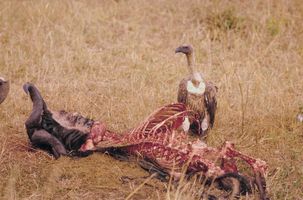
Parts of the Food Chain: Scavengers and Decomposers
reading comprehension.
Print a read and math workbook with
Parts of the Food Chain: Scavengers and Decomposers
reading comprehension.
You need to use this workbook in your classroom. Great mix of reading and math.