edHelper.com
Canadian Theme Unit


The Inuit: People of the Ice


The Inuit: People of the Ice
Reading Level
     edHelper's suggested reading level:   grades 6 to 7
     Flesch-Kincaid grade level:   5.73

Vocabulary
     challenging words:    bowhead, revolt, carving, nomadic, barren, better, caribou, forbidden, twentieth, provided, tundra, walrus, government, territory, arctic, cause
     content words:    Native Inuit, Bering Strait


Print The Inuit: People of the Ice
edHelper.com subscriber options:
     Print The Inuit: People of the Ice  (font options, pick words for additional puzzles, and more)

     Quickly print reading comprehension

     Print a proofreading activity


Feedback on The Inuit: People of the Ice
     Leave your feedback on The Inuit: People of the Ice  (use this link if you found an error in the story)


The Inuit: People of the Ice
By Mary Lynn Bushong
  

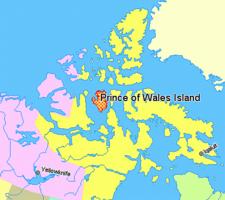
1     Out of all the native people in Canada, one occupies the most land. It is a barren land of snow and ice in the winter. In the summer it's a place of long days and incredible beauty. The place is the arctic, and the people are the Inuit.
 
2     Native Inuit land began near the Bering Strait. As their numbers grew, the people pushed east. Eventually they met up with another arctic group, the Tuniit. The Tuniit were a tall, strong people, but easily frightened. They would not hold their ground against the Inuit and were soon pushed to more isolated areas. The last of the Tuniit died in 1902.
 
3     The Inuit language is called Inuktitut. It is spoken by most Inuit, although for a short time it was forbidden for young people at school to speak it. It was thought that speaking native languages would only keep children from being proper Canadians.
 
4     Inuit homes were simple. During the summer they moved around a lot and lived in tents made of hide and whale bone. In the winter they had dug out homes. They would dig down and use rocks as part of the home's walls. Whale bones formed the rafters, and sod formed the roof.

Paragraphs 5 to 12:
For the complete story with questions: click here for printable


Copyright © 2008 edHelper