edHelper.com
Miscellaneous Health Topics


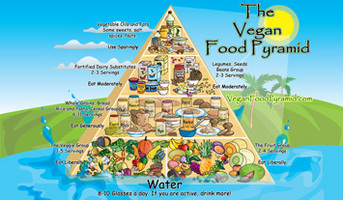
Vegetarians


Vegetarians
Reading Level
     edHelper's suggested reading level:   grades 4 to 6
     Flesch-Kincaid grade level:   9.08

Vocabulary
     challenging words:    calcium, economic, formula, minority, restrictive, supplement, fiber, infant, term, realize, teens, density, tofu, lifestyle, unique, normally
     content words:    United States, Vitamin B12


Print Vegetarians
edHelper.com subscriber options:
     Print Vegetarians  (font options, pick words for additional puzzles, and more)

     Quickly print reading comprehension

     Print a proofreading activity


Feedback on Vegetarians
     Leave your feedback on Vegetarians  (use this link if you found an error in the story)


Vegetarians
By Jennifer Kenny
  

1     Most people realize that the term vegetarian refers to someone who doesn't eat meat. Did you ever wonder what a vegetarian eats then? Did you know that there are different kinds of vegetarians?
 
2     The strictest vegetarian is a vegan. A vegan doesn't eat meat or any food that contains animal products such as eggs, dairy products, honey, or gelatin. A semi-vegetarian is probably the easiest going. He will eat fish or chicken. A pesci-vegetarian eats fish. A lacto-ovo vegetarian doesn't eat meat, but does eat milk, butter, cheese, or eggs. An ovo vegetarian doesn't eat meat or dairy, but does eat eggs.
 
3     Professionals agree that a well-planned vegetarian diet can be healthy if a variety of healthy foods are eaten. For younger vegetarians, eating dairy products and eggs, but not meat, is often the best choice in order for the children to get the protein and nutrients their growing bodies need. Typically, the less restrictive form of a vegetarian is better for a younger individual.
 
4     Why would someone choose to be a vegetarian? In very poor countries, the reality is that meat is often too expensive to eat so vegetarianism is an economic issue more than anything else. In countries such as the United States, people become vegetarians for other reasons. Some are raised by parents who believe in being vegetarians and follow suit. Some people become vegetarians because they believe it is the healthiest lifestyle. Some people choose to be vegetarians for religious, cultural, or environmental reasons. Others choose to be vegetarians because they believe in animal rights.
 
5     Adult vegetarians need to eat a variety of food. Children or teens that are vegetarians need guidance to make sure their meat-free meals are nutritious and not just potato chips and soda. Children and teens need nutrients and protein to develop and grow. People who are not vegetarians get things like protein and iron from meat. Without meat in the diet, other substitutes need to be made.

Paragraphs 6 to 13:
For the complete story with questions: click here for printable


Copyright © 2008 edHelper